
Keep up to date on current trends and technologies
Blog
Best Ethereum Payment Gateways 2026
NOWPayments

How AI Assistants Improve Remote Team Communication for Developers
SitePoint Team
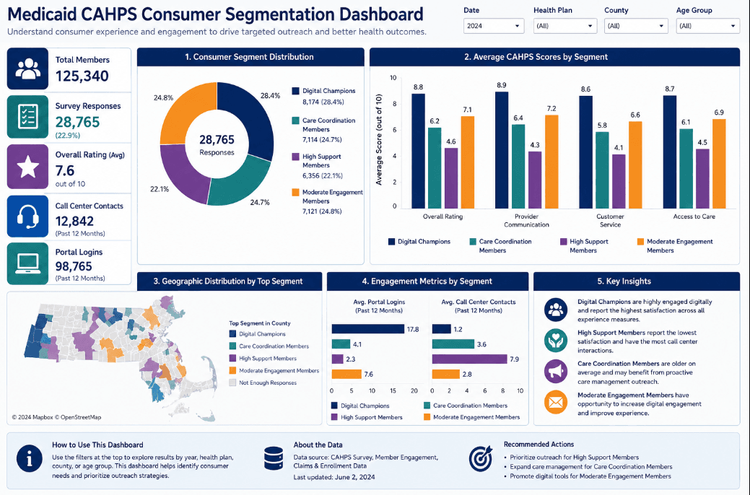
From Survey Responses to Consumer Insights: Building a Medicaid Consumer Segmentation Pipeline with Python, K-Means, and Tableau
Shilei Zhang
Claude Sonnet 5 Pricing: What the Cost Parity Misses
SitePoint Team
Alibaba Bans Claude Code: The Backdoor Scare Explained
Matt Mickiewicz
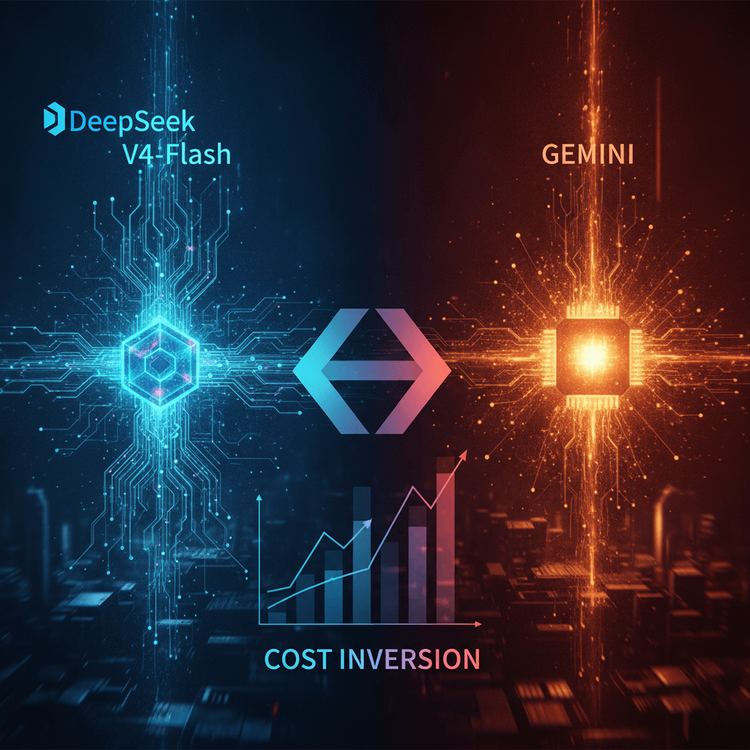
The Cost Inversion: Running Production AI on DeepSeek V4-Flash vs Gemini
Matt Mickiewicz
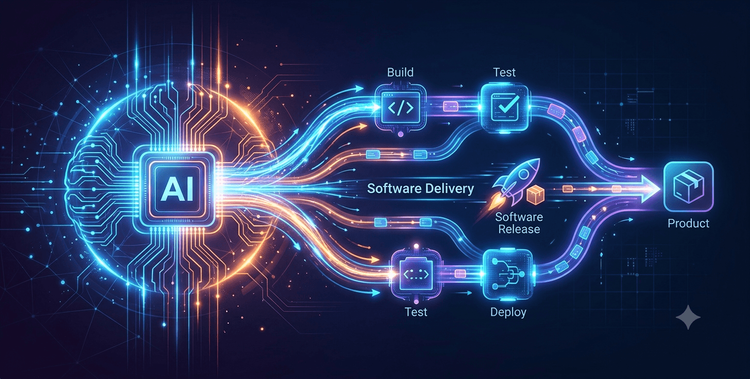
Beyond Code Generation: How AI Is Reshaping Modern Software Delivery
A Smith
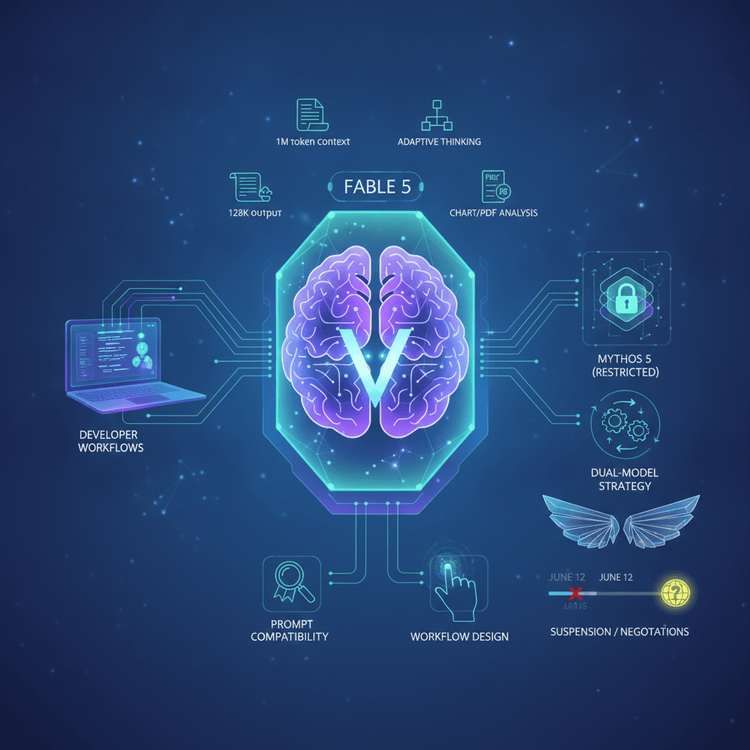
Claude Fable 5: What the Mythos-Class Model Means for Developer AI Workflows
SitePoint Team
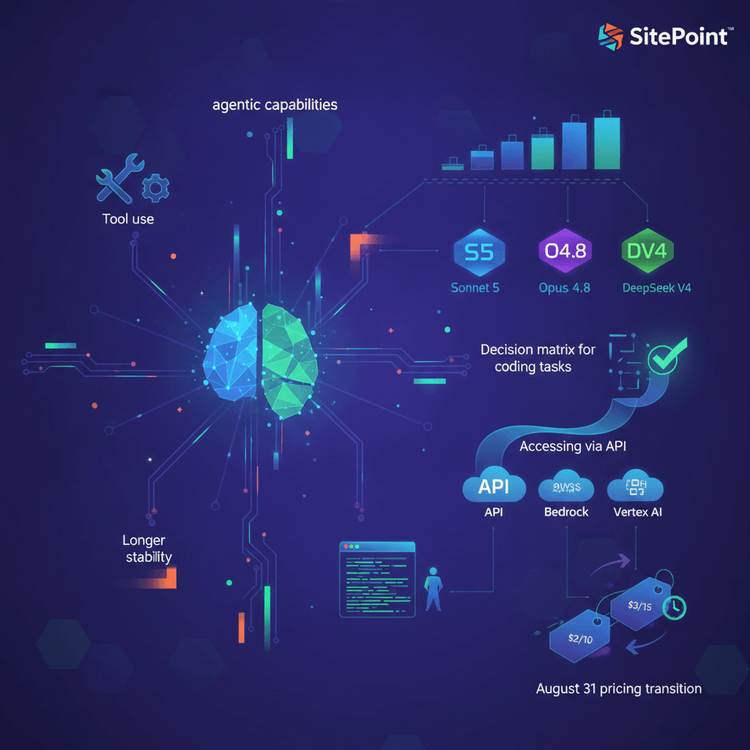
Claude Sonnet 5: The Developer’s Guide to Anthropic’s New Default Model
SitePoint Team

OpenClaude with DeepSeek V4: Running a Fully Private AI Coding Engine on Your Laptop
Matt Mickiewicz

HALO: Debug AI Agent Traces Locally Without a Cloud Subscription
SitePoint Team

OpenTelemetry GenAI: Instrument AI Agents Without Sending Data to the Cloud
SitePoint Team
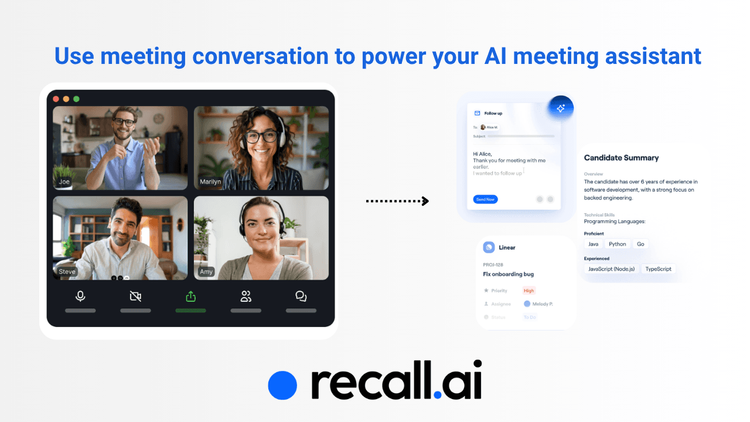
How to build a production-ready AI meeting assistant with Recall.ai in 48 hours
SitePoint Sponsors
Prompt Compression and Cache Tuning: Cut Your LLM API Costs by 60%
SitePoint Team
Claude Code on Ollama: How to Run a Local Coding Agent Without Burning API Credits
SitePoint Team
Build an MCP Server in Go: A Production-Ready Tutorial for the Model Context Protocol
SitePoint Team
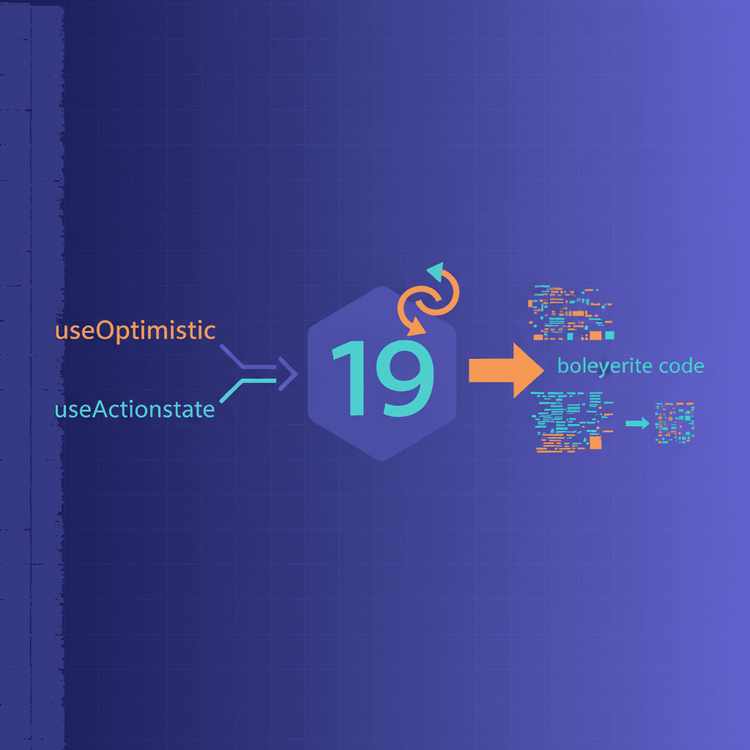
React 19's useOptimistic and useActionState: Replacing 80% of Your State Boilerplate
SitePoint Team
TypeScript 5.9: The strictInference Flag and Stable Decorator Metadata That Actually Matter
SitePoint Team
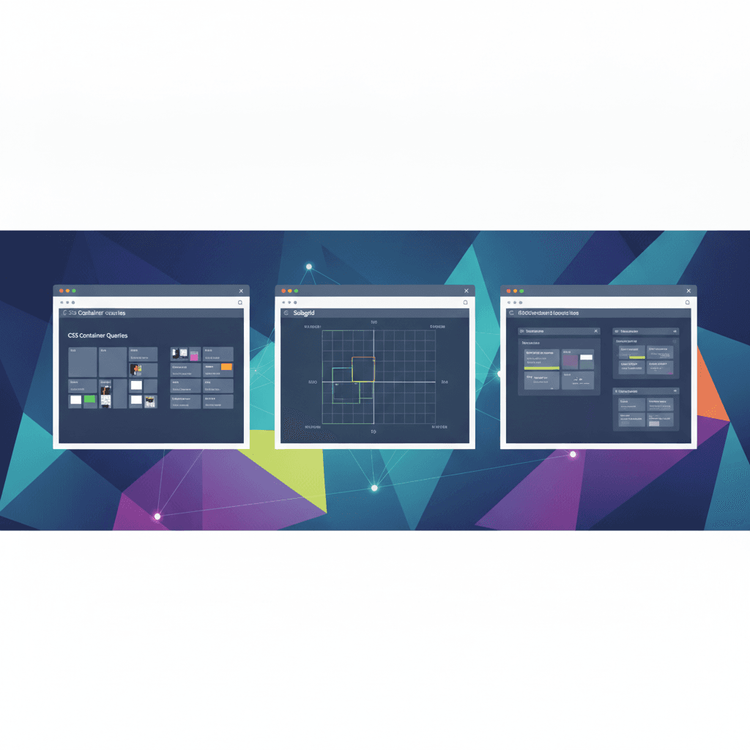
CSS Container Queries + Subgrid: The Layout Trilogy That's Now in Every Browser
SitePoint Team

How to Build Privacy-Safe Cross-Organizational Data Joins with Databricks Cleanrooms
Anurag Malik

3 REST API Testing Mistakes That Cost Us the Most Time (and How We Fixed Them)
Rishi Gaurav

I Built a Tiny Journal App to Learn Laravel. Here's the Process, Step by Step.
SitePoint Team

headroom: The Token-Compression CLI That Cuts Your LLM API Costs by 60–95%
Matt Mickiewicz
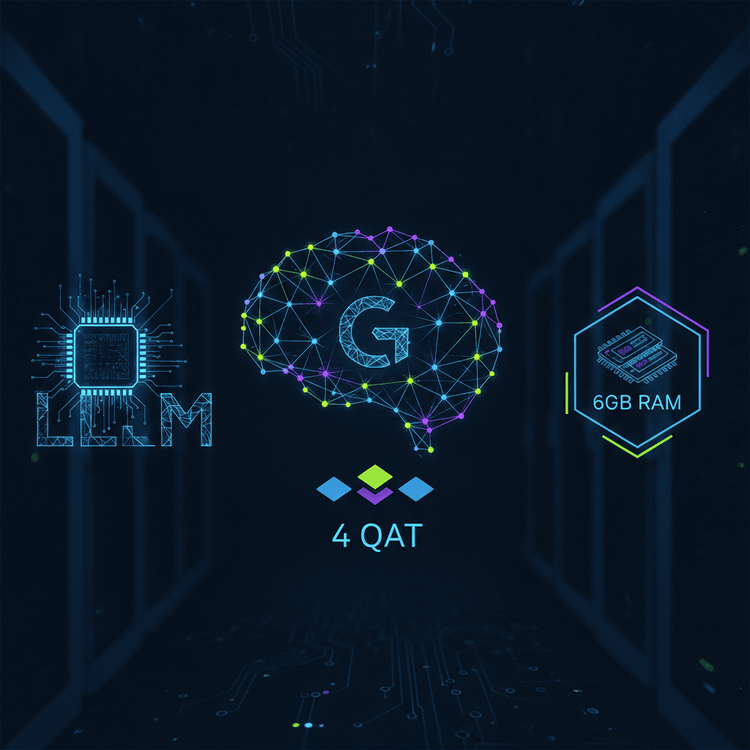
Gemma 4 QAT: Running Local LLMs in 6GB RAM
SitePoint Team
Turbopack in Production: Next.js 15 Speed Wins
SitePoint Team
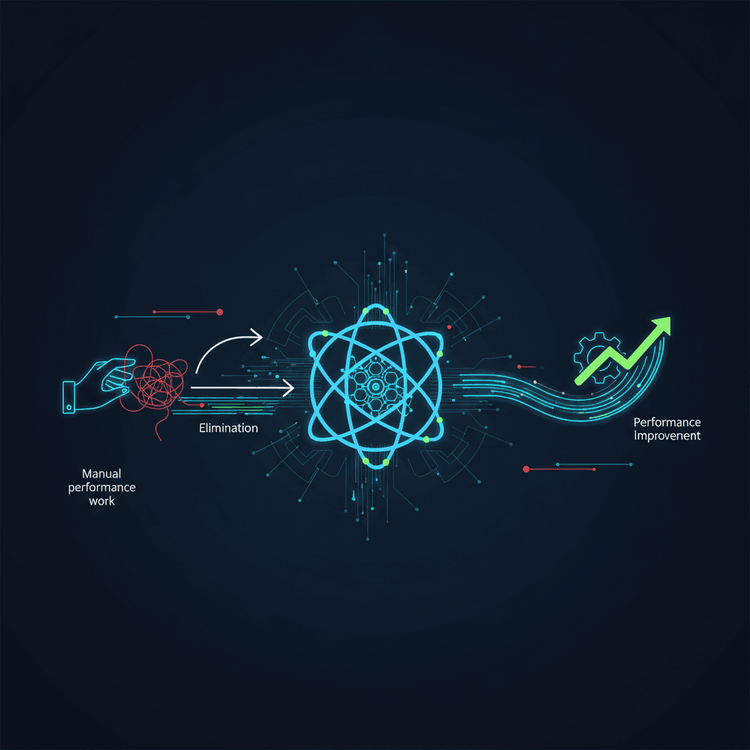
React Compiler: Eliminating Manual Performance Work
SitePoint Team
Claude Code v2.1.166: Building Resilient Agent Stacks
SitePoint Team
DeepSeek V4-Pro on Ollama Cloud
SitePoint Team
Best Mass Payouts Service in 2026
NOWPayments
Best Mass Payout Solutions in 2026
NOWPayments
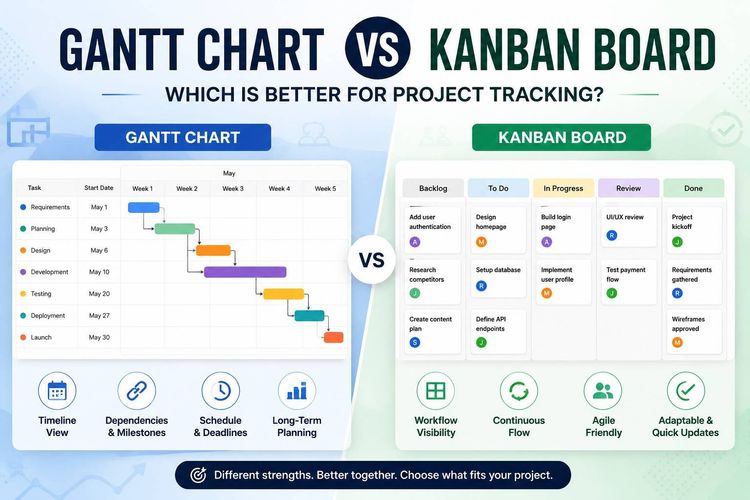
Gantt Chart vs Kanban Board: Which Is Better for Project Tracking?
Shamal

Best Payment Gateways in France for 2026
NOWPayments
Showing 32 of 8451